 (alpha)
- Artists & Events
- Artists & Events
Lisbon, Portugal
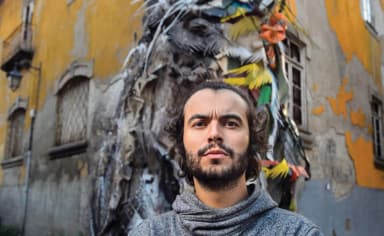
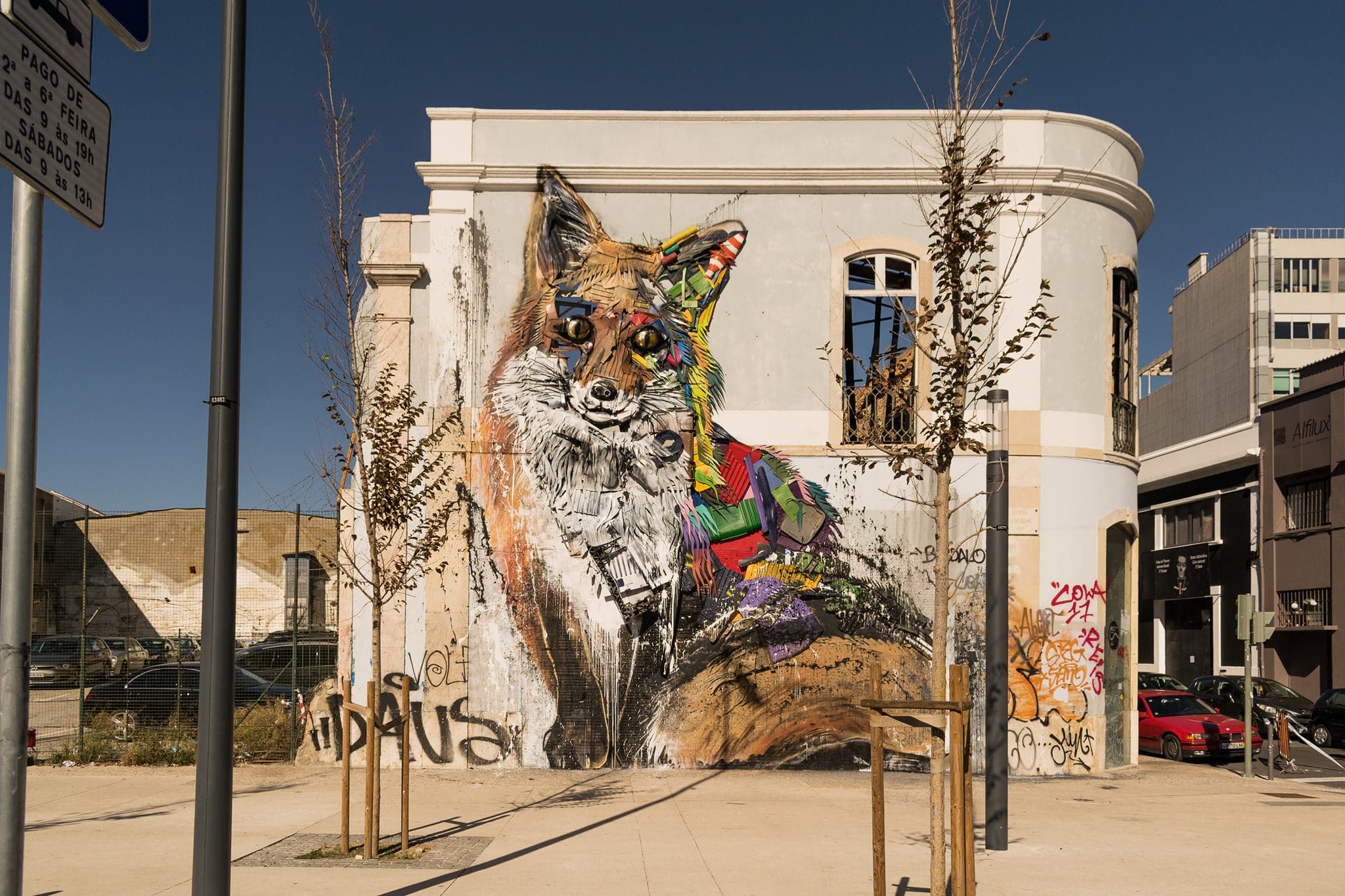
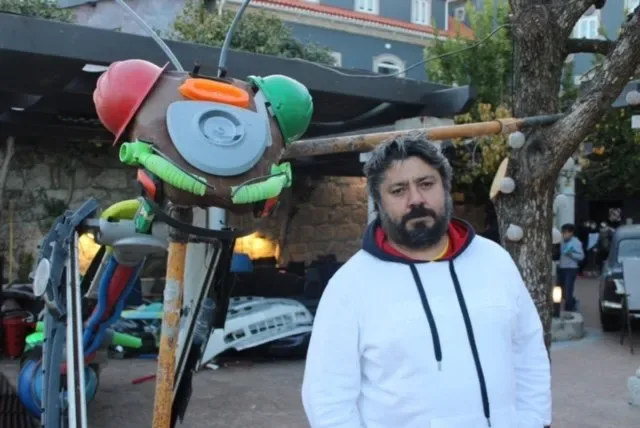
Bordalo II is Artur Bordalo, born in Lisbon in 1987. He builds animals out of what the city throws away: bumpers, tyres, bike parts, plastic and old electronics, fixed to a wall and painted until a raccoon or a lynx looks back at you. More and more often, he also uses the city itself to make an argument, and the city takes it down.
The "II" is for his grandfather, the painter Real Bordalo, who worked in watercolour and oil and died in 2017. It is not a reference to Rafael Bordalo Pinheiro, the 19th century caricaturist and ceramicist whose museum in Campo Grande runs its own Bordalo exhibitions. Search for a Bordalo show in Lisbon and you will find both.
He came up through graffiti, which he calls his origin, and enrolled at the fine arts faculty in Lisbon. He told DN in 2017 that he was suspended for lack of progress and never went back. By his own account he has been building with waste since 2012.
One of his first big Lisbon animals was a raccoon on a wall behind the Centro Cultural de Belém, made in 2015 for his show Pânico, Drama, Terror at the Arte Periférica gallery inside the CCB. That same year he built a swift for a festival in Łódź, in Poland, and the animals started to travel: a bear on the side of a theatre in Turin, a grouper of marine litter in Funchal, a rabbit, half sculpture and half painted wall, on a port wine warehouse in Vila Nova de Gaia in 2017.
The easiest to find today is the Iberian lynx in the gardens of Parque das Nações, near Oriente station. António Guterres unveiled it on 23 June 2019, after Lisboa+21, a world conference of youth ministers, at the arena next door.
His first big solo show in Portugal, Attero (Latin for "to waste"), opened on 4 November 2017 in a warehouse in east Lisbon, free to enter. Time Out counted about 27,000 visitors in a month. The film above is the making of its main piece.
Five years later came Evilution, a pun on evolution and evil, at Edu Hub Lisbon on Avenida Marechal Gomes da Costa in Marvila, from October to December 2022. Its centrepiece, the Tired Panda, ten metres of used tyres, outlived the show: in 2026 it went to rest for good on a roundabout in Bela Vista.
The piece that made the most noise was not an animal. In late July 2023, days before Pope Francis arrived for World Youth Day, he and his team walked onto the altar-stage still under construction at Parque Tejo and rolled a long carpet of giant €500 notes down its steps. He called it Walk of Shame, the Passadeira da Vergonha, a protest at the public money spent on a religious event in a secular state, at a time when many people were struggling to keep their homes. The stage alone had cost the council €2.9 million.
Mayor Carlos Moedas defended his artistic freedom, then posted a video of himself laying a real carpet by the stage: "Agora sim, o tapete está posto." Now the carpet is laid.
Since then much of his Lisbon work has been made to be removed. In September 2023, the night before a housing march, he pitched tents painted as houses at the Miradouro de São Pedro de Alcântara, under a road sign barring tourists, digital nomads and golden visas. On 2 May 2025 he spread a giant Monopoly board across Praça Duque da Terceira in Cais do Sodré, its squares named after real places in Lisbon and Porto. The council took it up within days, and a Lisbon artist, Fartadaa, told Observador it copied her own housing game from 2023. That August, at Cais das Colunas, he put up an estate agent's board selling the whole city. The phone number on it, RTP reported, was the council's own affordable housing line.
For the fiftieth anniversary of the 25 April revolution in 2024 he went further from home: Lusa reported a giant medicine box, "Liberdade. Probiótico antifascista", left on Salazar's grave in Santa Comba Dão.
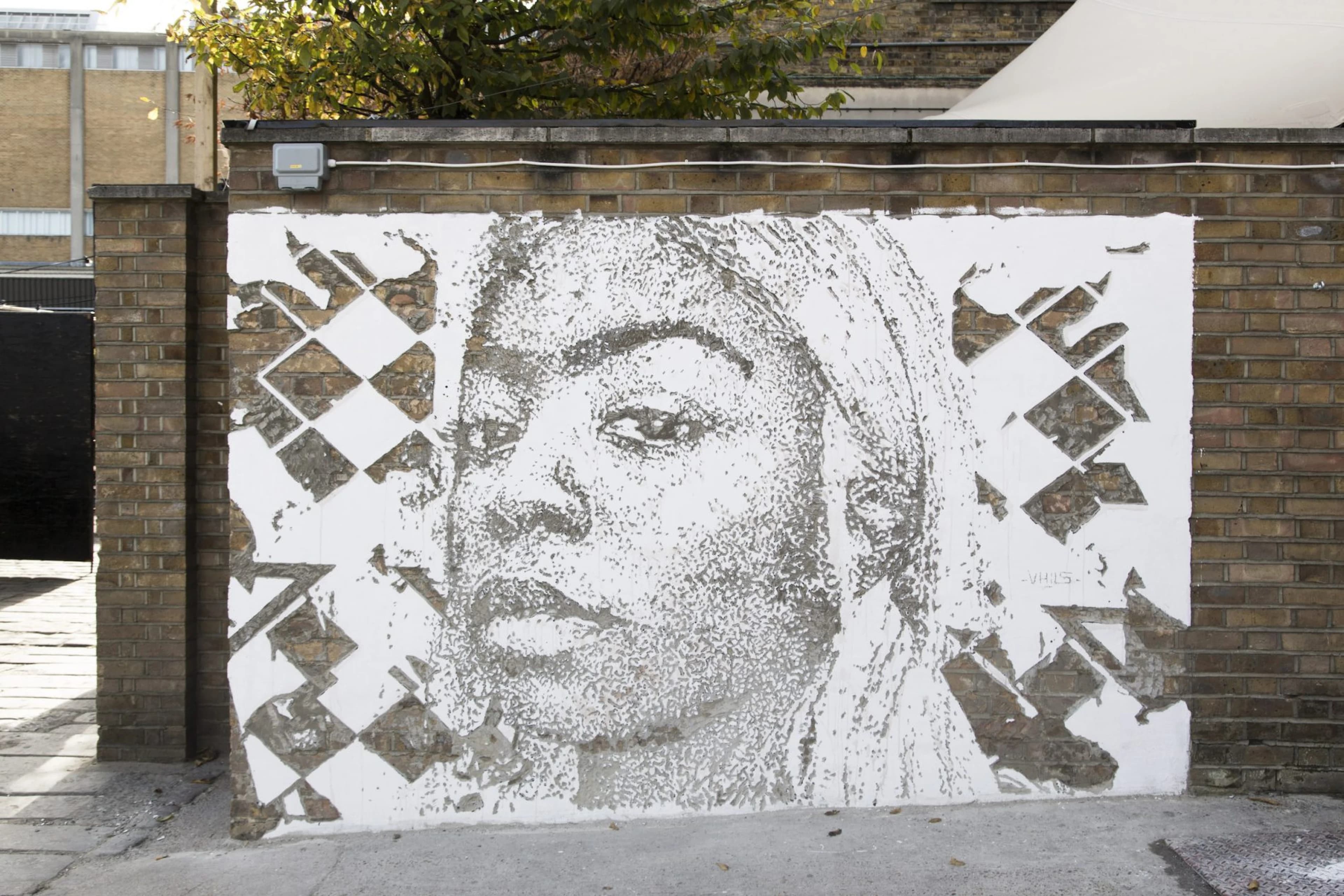
Start in the east. His studio was on Rua de Xabregas, and he left a half painted, half built chimpanzee on the gable of that building. He has since moved up to Estrada de Chelas, and the street around it fills with work fast enough that Time Out calls it Bordalo Park. In April 2024 he made Origem there with Vhils: one monkey, half carved into the wall in Vhils's way, half built out of rubbish in his. In August 2026, NiT reported, a koala replaced the Plastic Frog he had made nearby on Rua da Manutenção in 2017.
From there, Bela Vista has the Tired Panda, and Parque das Nações the lynx. The protests you will have to catch in the news.
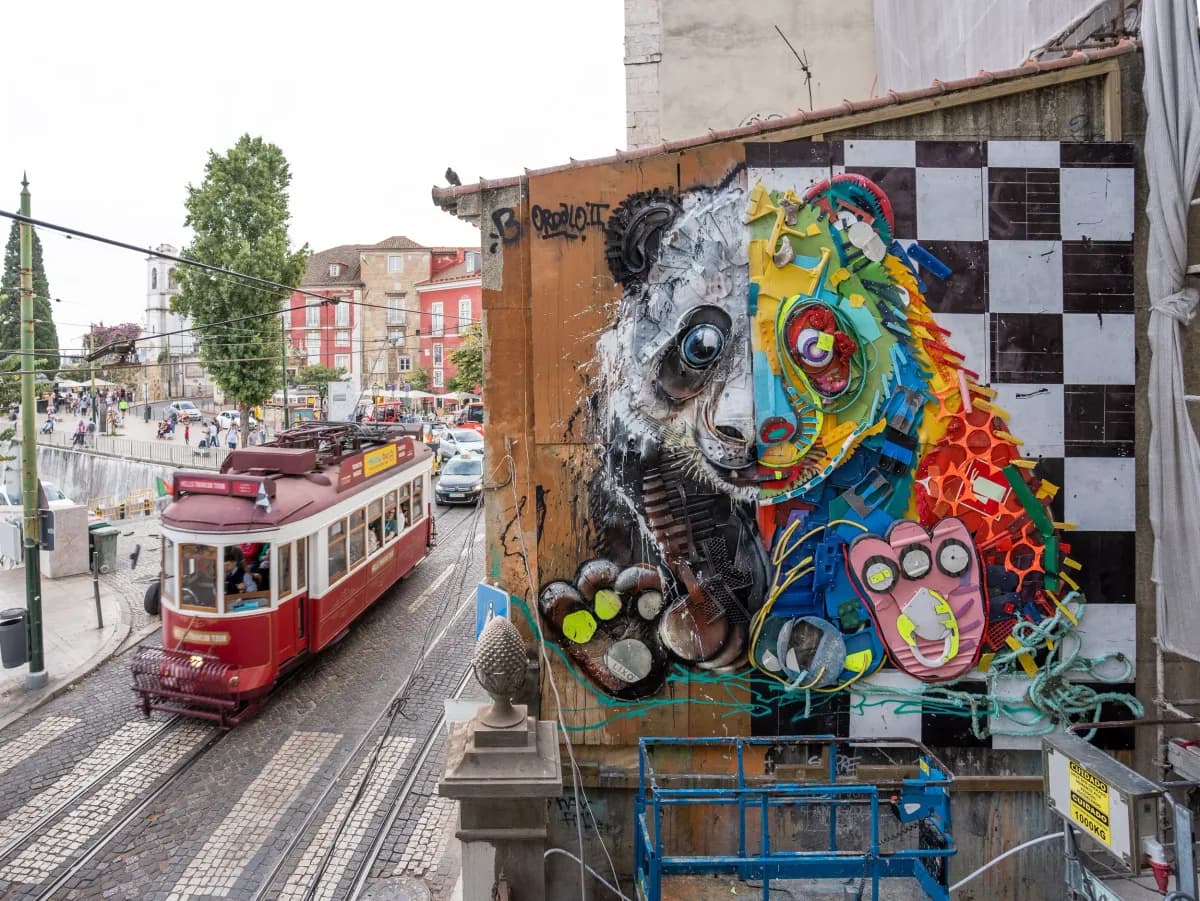
Half panda sculpture made from recycled urban waste, part of Bordalo II's Lisbon works.
Good condition
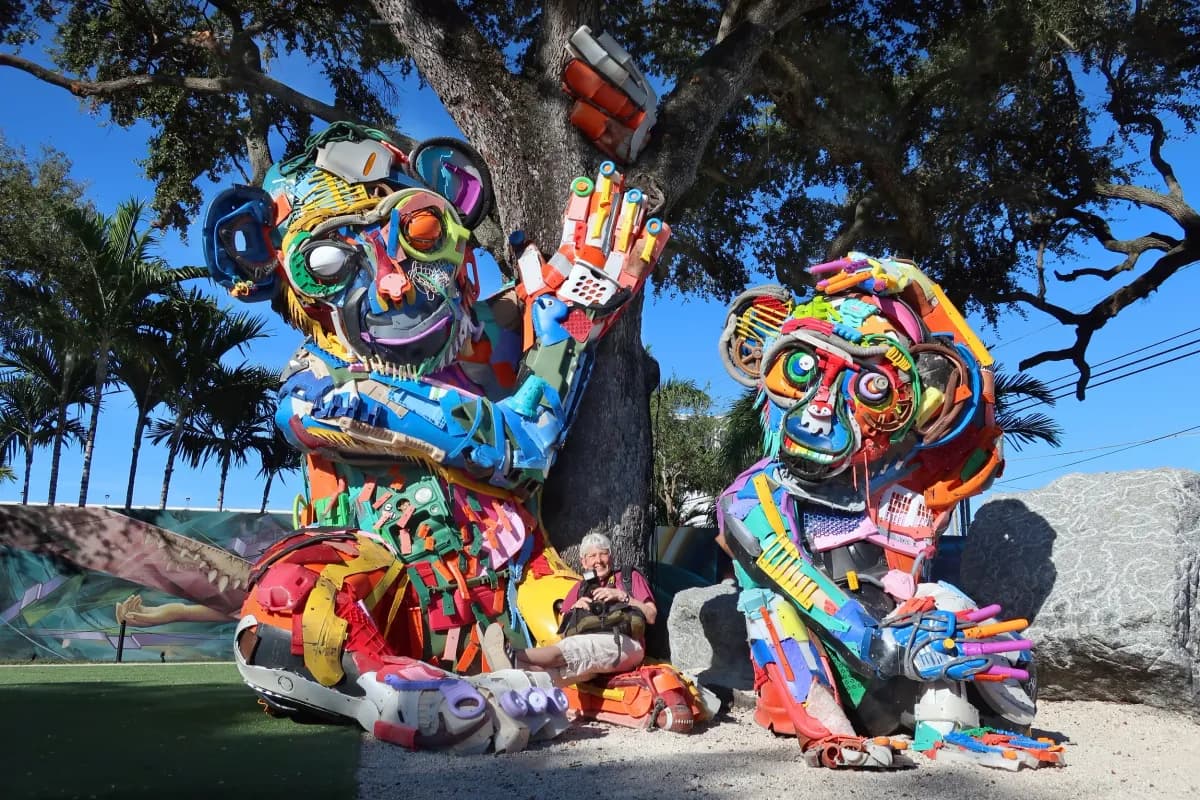
Installation of a mother and baby monkey made from urban waste in Miami’s Wynwood district.
Good condition
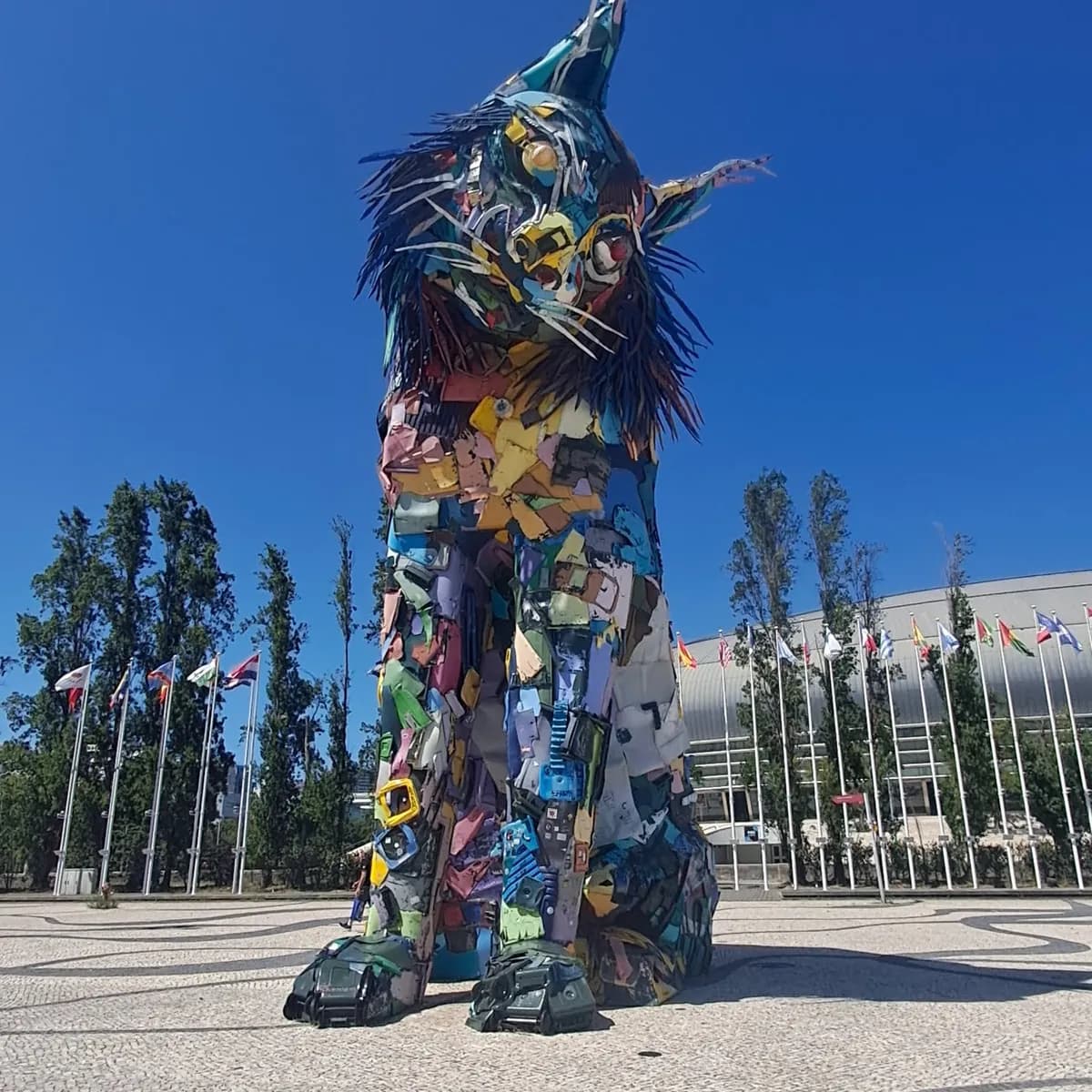
An Iberian lynx built from scrap and waste, in the gardens of Parque das Nações near Oriente station. António Guterres unveiled it on 23 June 2019, after Lisboa+21, a world conference of youth ministers, at the arena next door.
Good condition
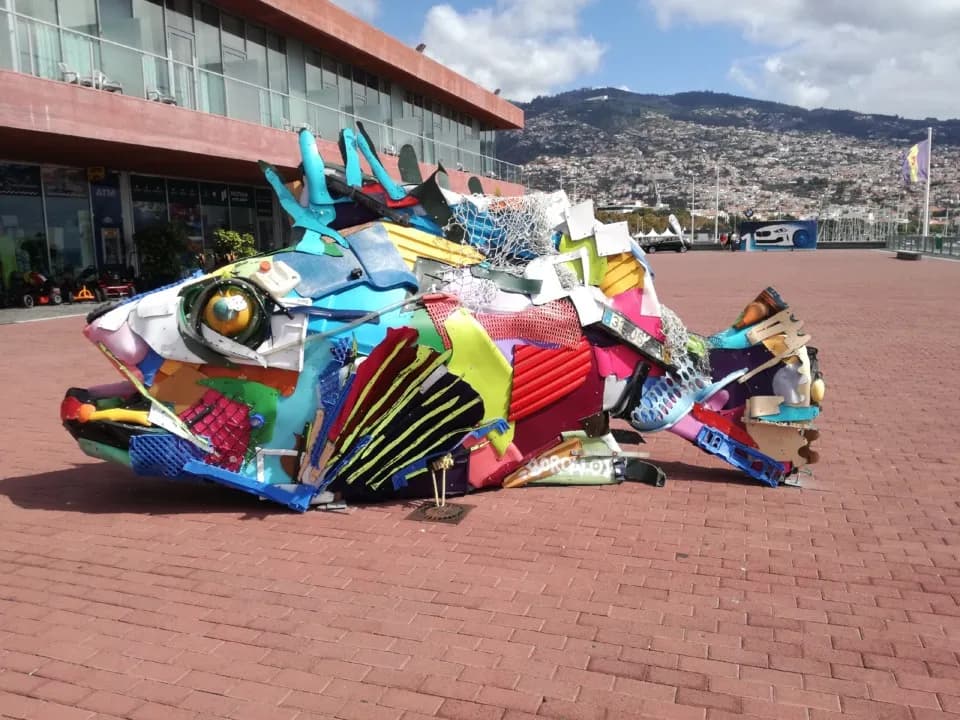
Large fish sculpture made from marine-related waste materials highlighting ocean pollution.
Good condition
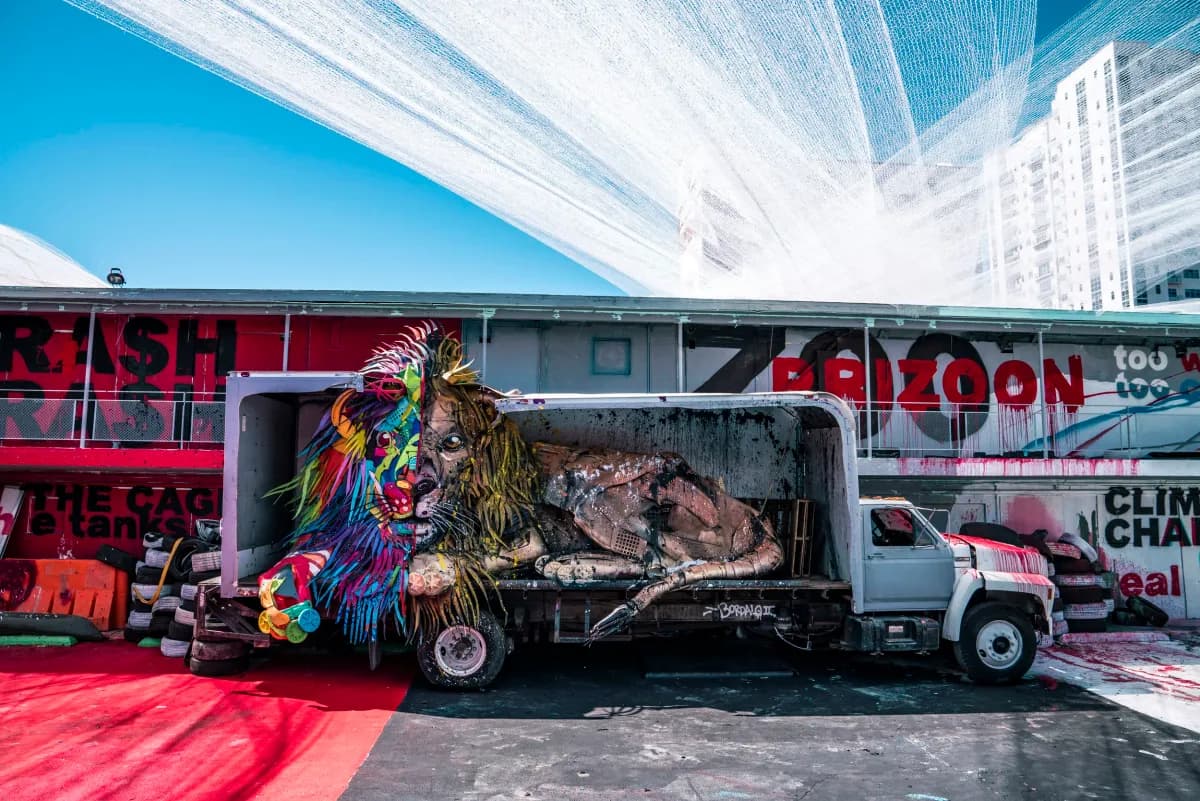
Large lion sculpture created from discarded materials as part of the Wild Wild Waste series.
Good condition
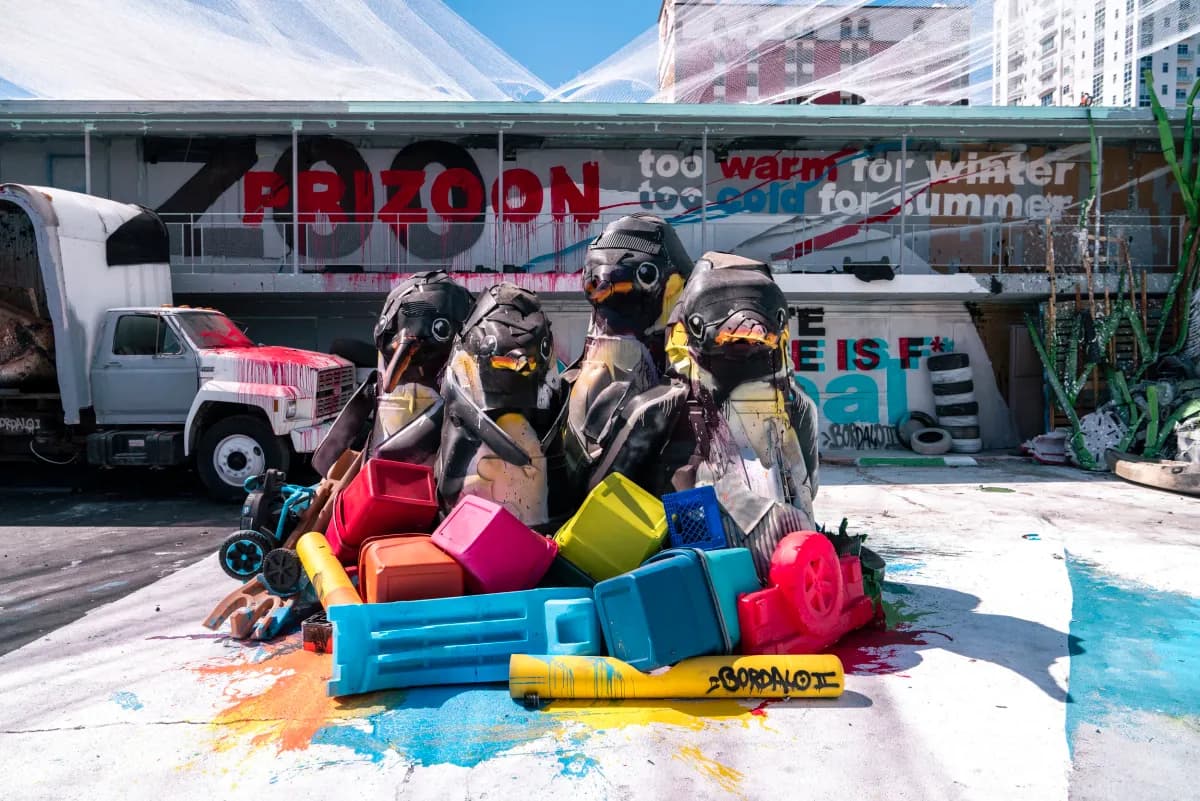
Penguin installation made from urban waste as part of the Wild Wild Waste exhibition.
Good condition
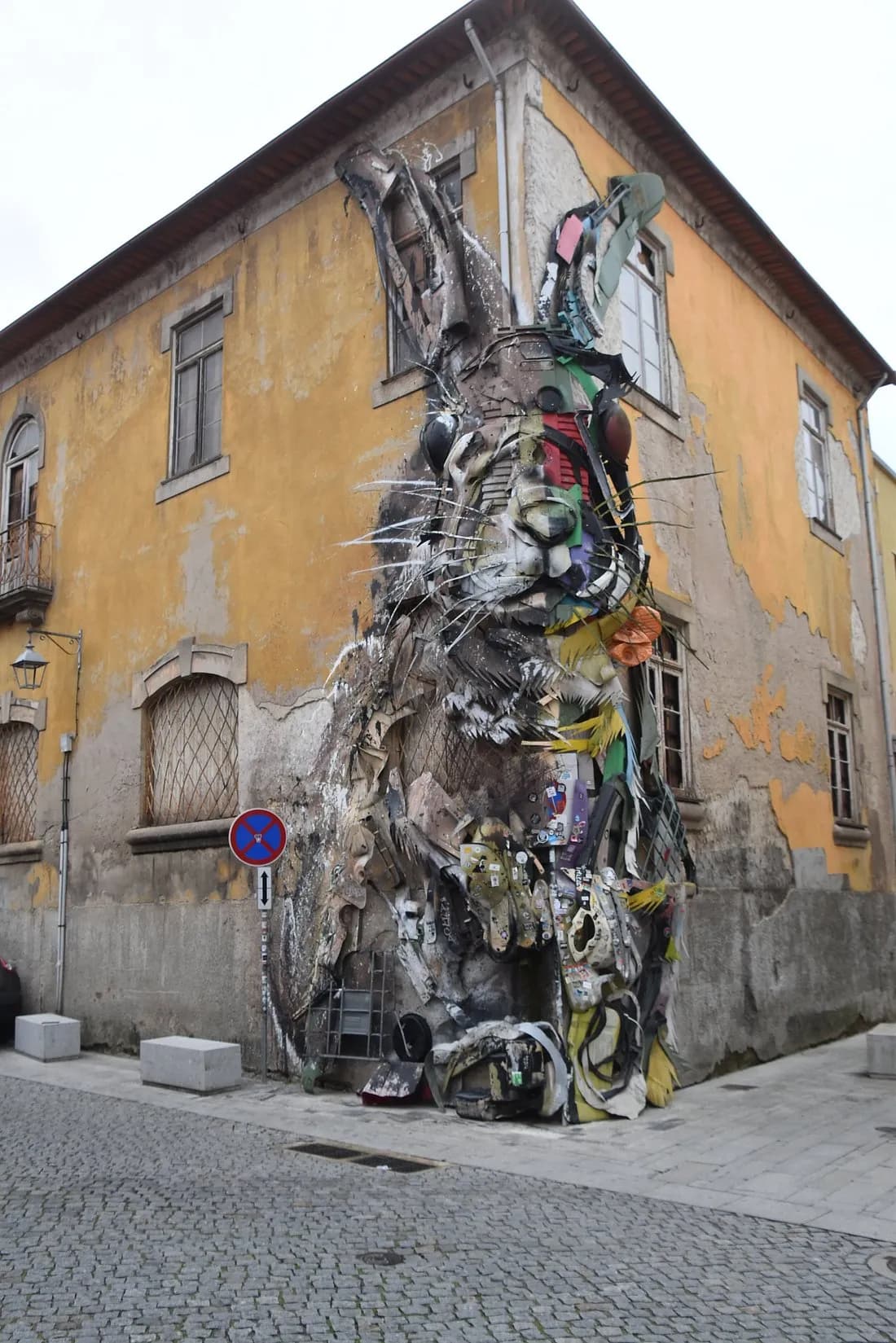
A rabbit that is half sculpture of reclaimed waste and half painted wall, made in 2017 on a port wine warehouse in the historic centre of Vila Nova de Gaia, across the river from Porto. Part of his Half Half series.
Good condition
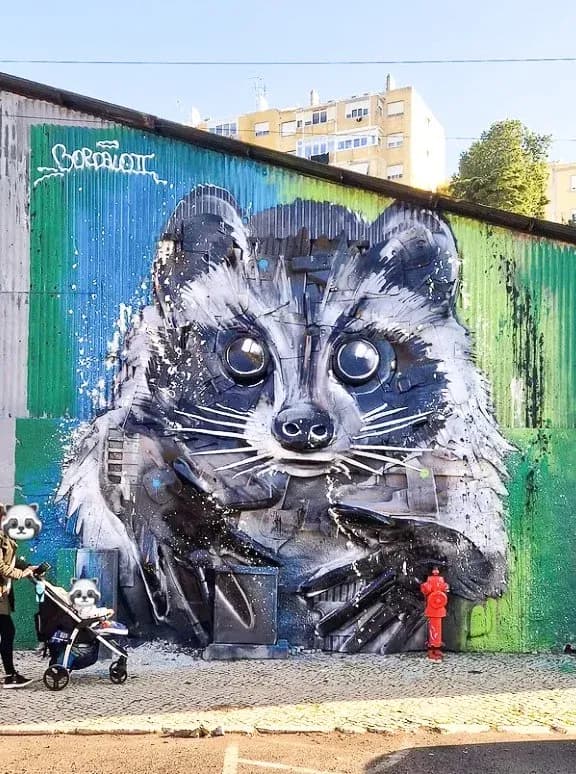
A giant raccoon of scrap and waste on a wall behind the Centro Cultural de Belém, made in 2015 for his show Pânico, Drama, Terror at the Arte Periférica gallery. Sources disagree on whether it still stands; one reports it rebuilt in Chelas.
Condition unknown
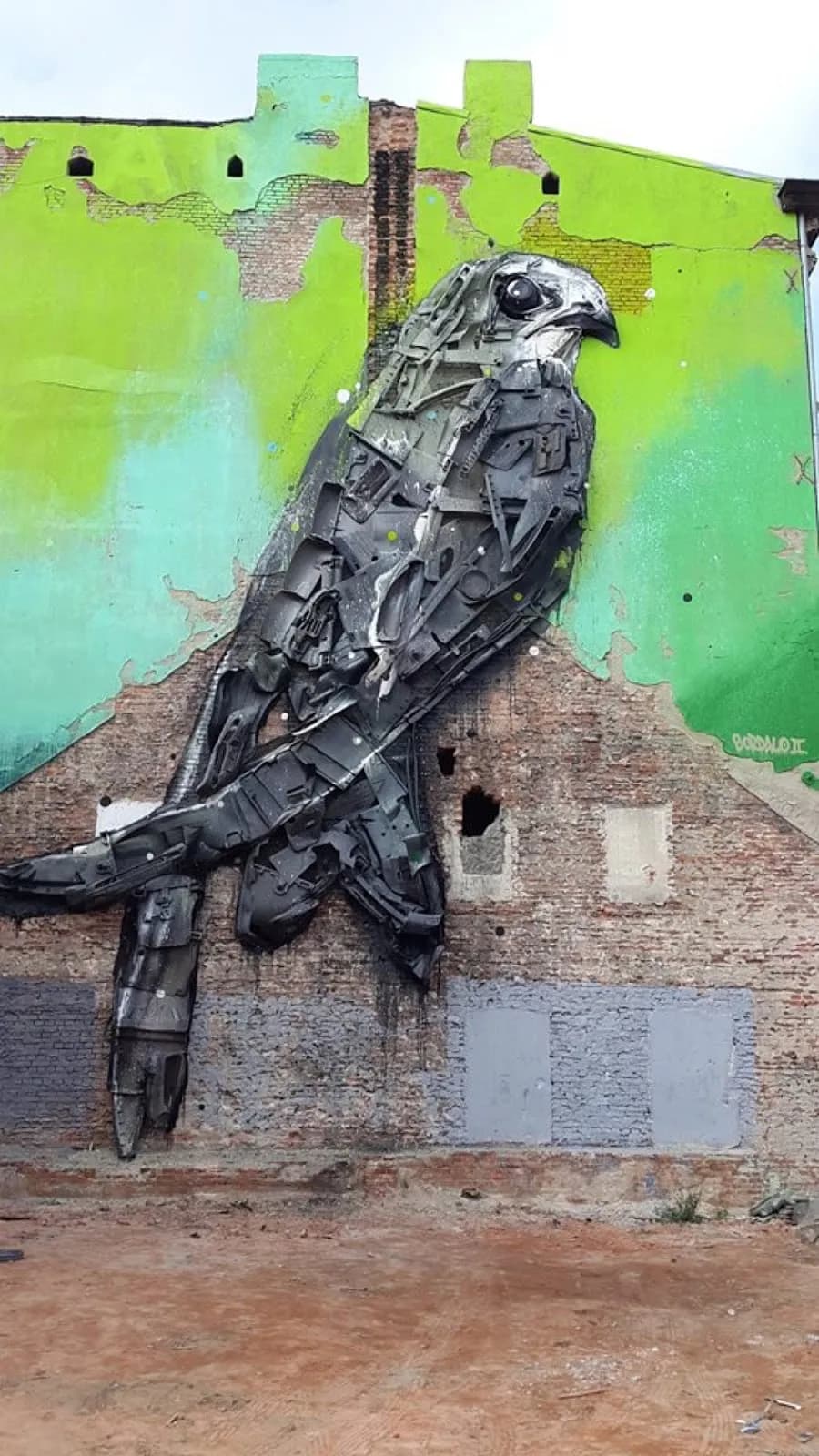
A swift (jerzyk in Polish) built from urban waste on ul. Kilińskiego in Łódź, made in 2015 for the Urban Forms Foundation. Often called a swallow in English, it was described as his first Big Trash Animal in Central and Eastern Europe.
Good condition
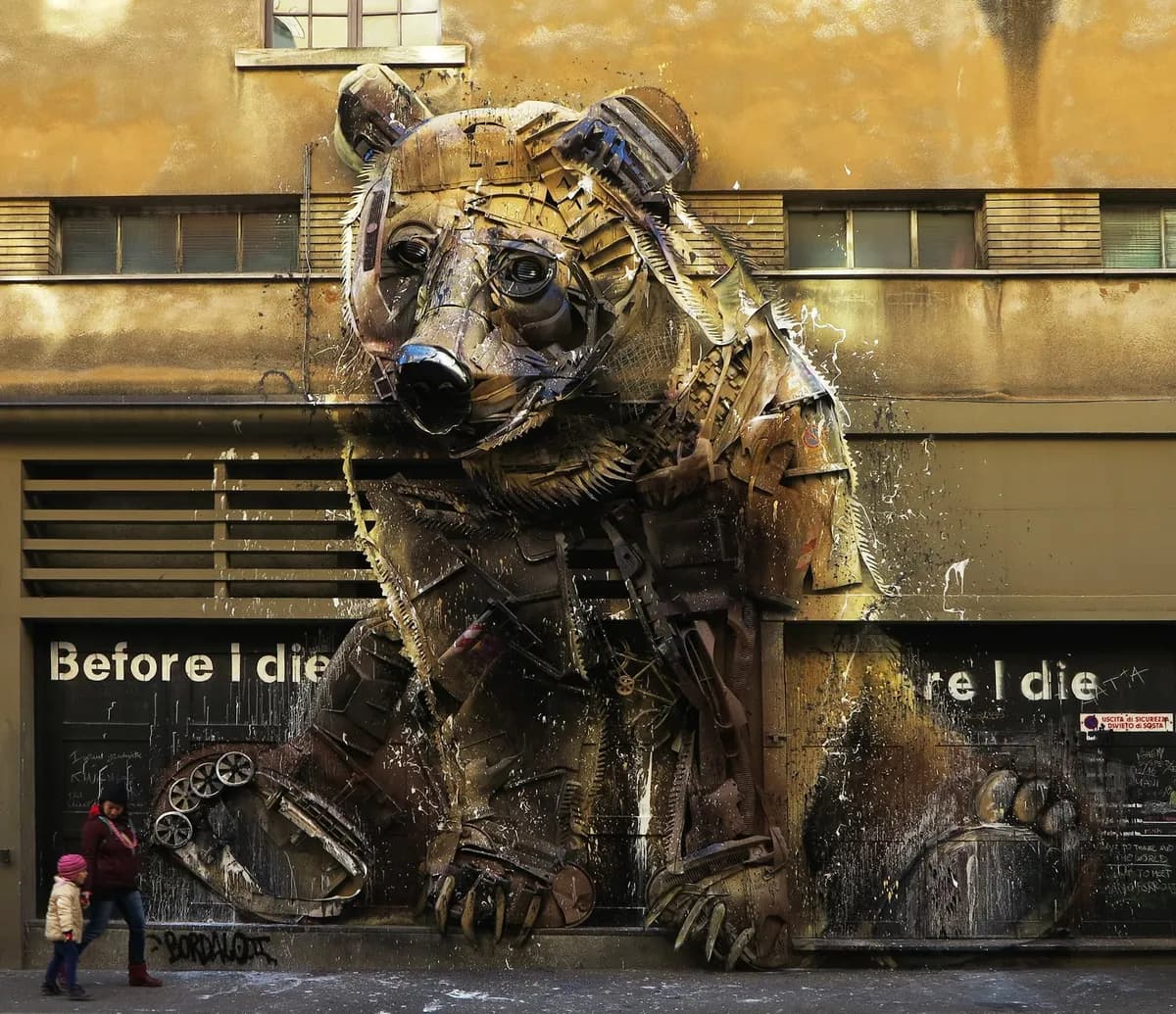
Bear sculpture composed of discarded industrial materials installed in an urban public space.
Good condition
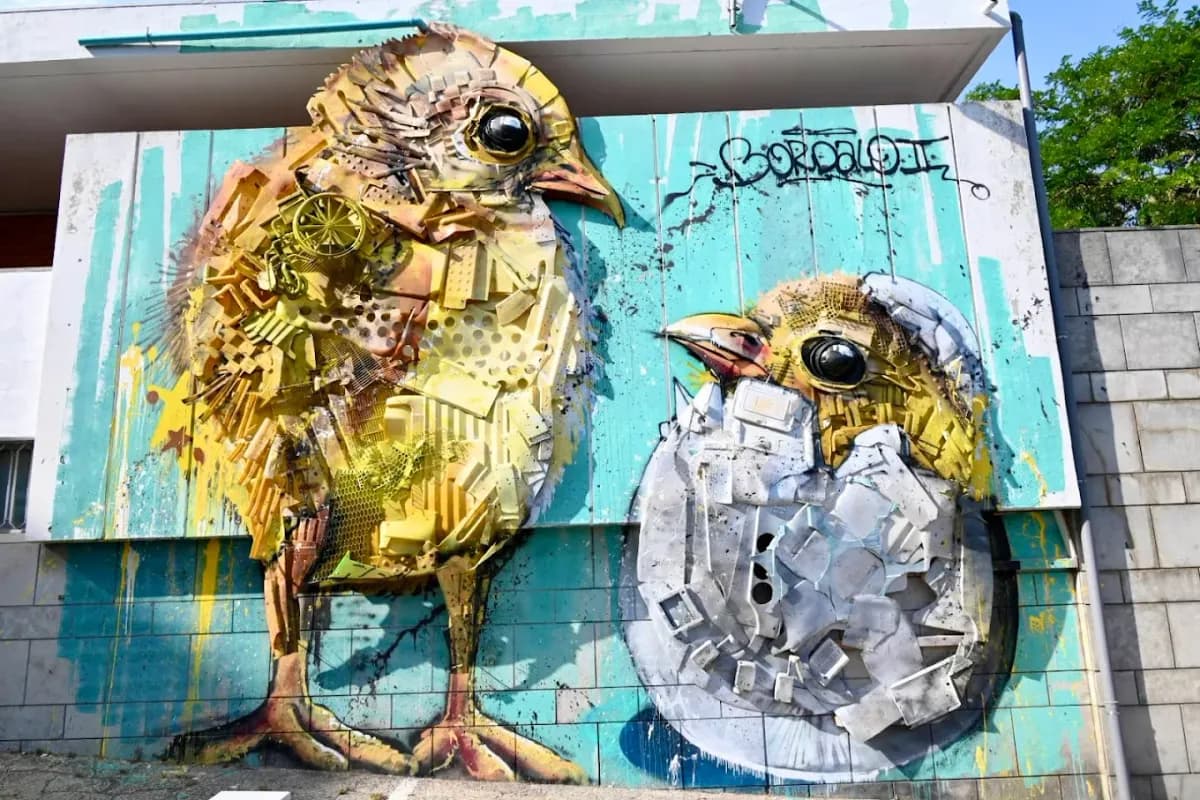
Installation featuring chicks made from discarded materials symbolizing environmental hope.
Good condition
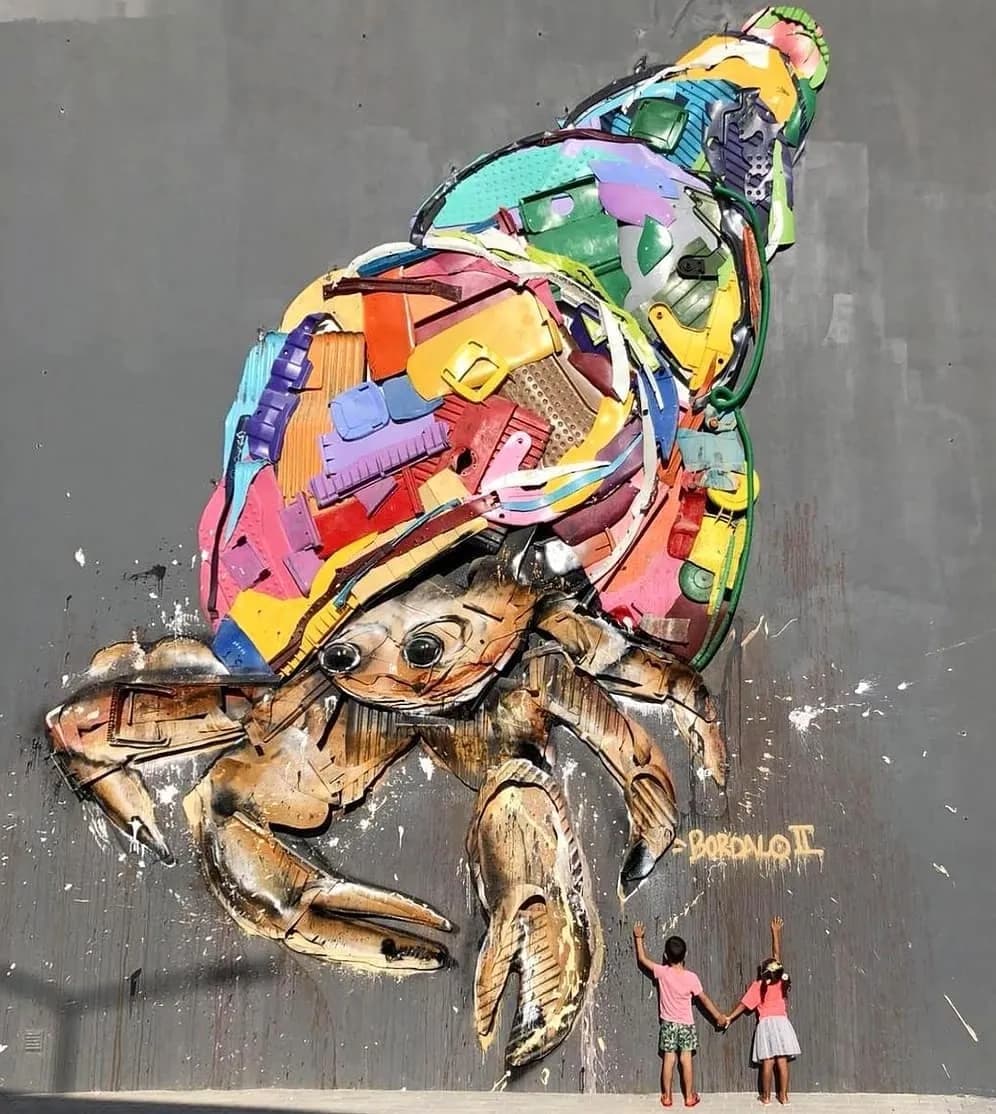
Crab sculpture made from coastal waste materials installed near Ericeira’s coastline.
Good condition
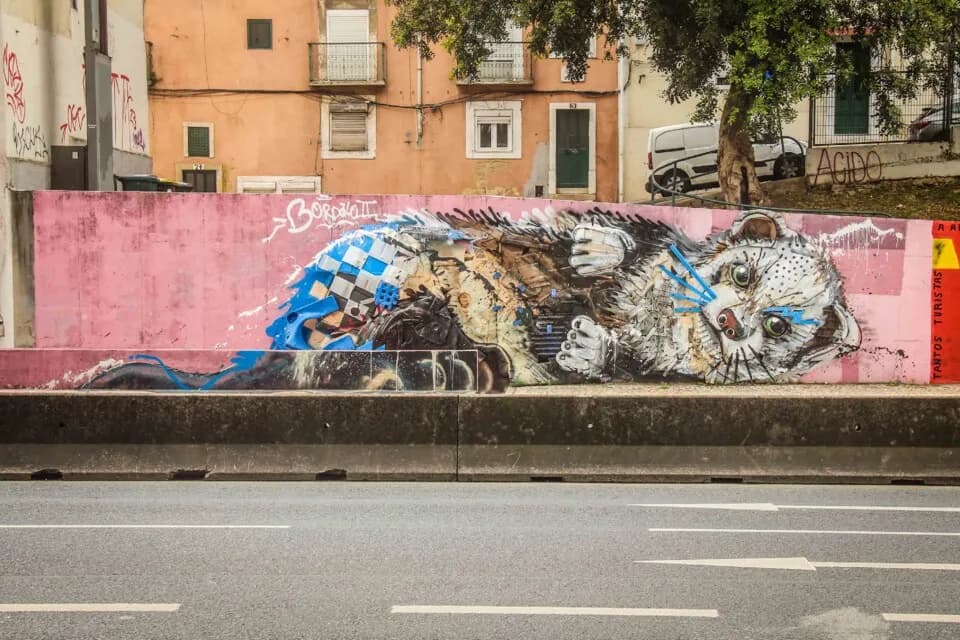
Half-weasel sculpture made from discarded urban materials installed in Lisbon.
Good condition
Select a pin to see the details here.
Are you an artist or organizing events?
Join BeThereGo.com and reach people looking for culture around the world.
Click here for more information.